
Festive wardrobes often need outfits that feel special without being limited to one type of celebration. A party wear lehenga offers that flexibility through its combination of a traditional silhouette and contemporary styling, making it suitable for receptions, festive dinners, engagement parties, family gatherings, and other evening occasions.
Modern lehenga designs have moved beyond heavily embellished wedding clothing. Cleaner embroidery, lighter fabrics, unusual color combinations, and updated blouse styles have made them easier to adapt for different events. With the right accessories and styling, the same outfit can look festive without appearing overly formal or reserved only for weddings.
Choosing the Right Lehenga Silhouette
The silhouette plays a major role in determining how formal or relaxed a lehenga appears. A wide-flared skirt creates a more traditional impression, while a lighter flare can feel easier to wear at smaller gatherings. Blouse length and neckline also influence the overall balance of the outfit.
Comfort should remain part of the decision, especially when the celebration involves several hours of movement. A well-fitted waistband, manageable skirt volume, and comfortable blouse can make the outfit easier to carry while preserving the graceful shape associated with lehenga dressing.
Balancing Embellishment and Simplicity
Embellishment can quickly change the personality of a lehenga. Sequins and metallic details may suit evening celebrations, while threadwork and smaller motifs can create a softer appearance for daytime functions. The right amount depends largely on the occasion and the rest of the styling.
A heavily decorated outfit does not always need equally elaborate accessories. Keeping jewelry or footwear simpler can allow the embroidery to remain the main feature. Similarly, a minimally detailed lehenga can accommodate more expressive accessories without making the overall appearance feel crowded.
Selecting Colors for Different Events
Color is one of the easiest ways to adapt a lehenga to a particular celebration. Deeper shades can create a more formal evening appearance, while lighter colors often feel suitable for daytime gatherings. Bright festive tones can add energy without requiring excessive embellishment.
When choosing a color, it helps to consider:
- Time and location of the celebration
- Existing jewelry and footwear
- Seasonal colors that feel appropriate
- Whether the outfit will be reused for other occasions
Thinking beyond one event can make the final choice more practical and versatile.
When Party Wear Choli Changes the Look
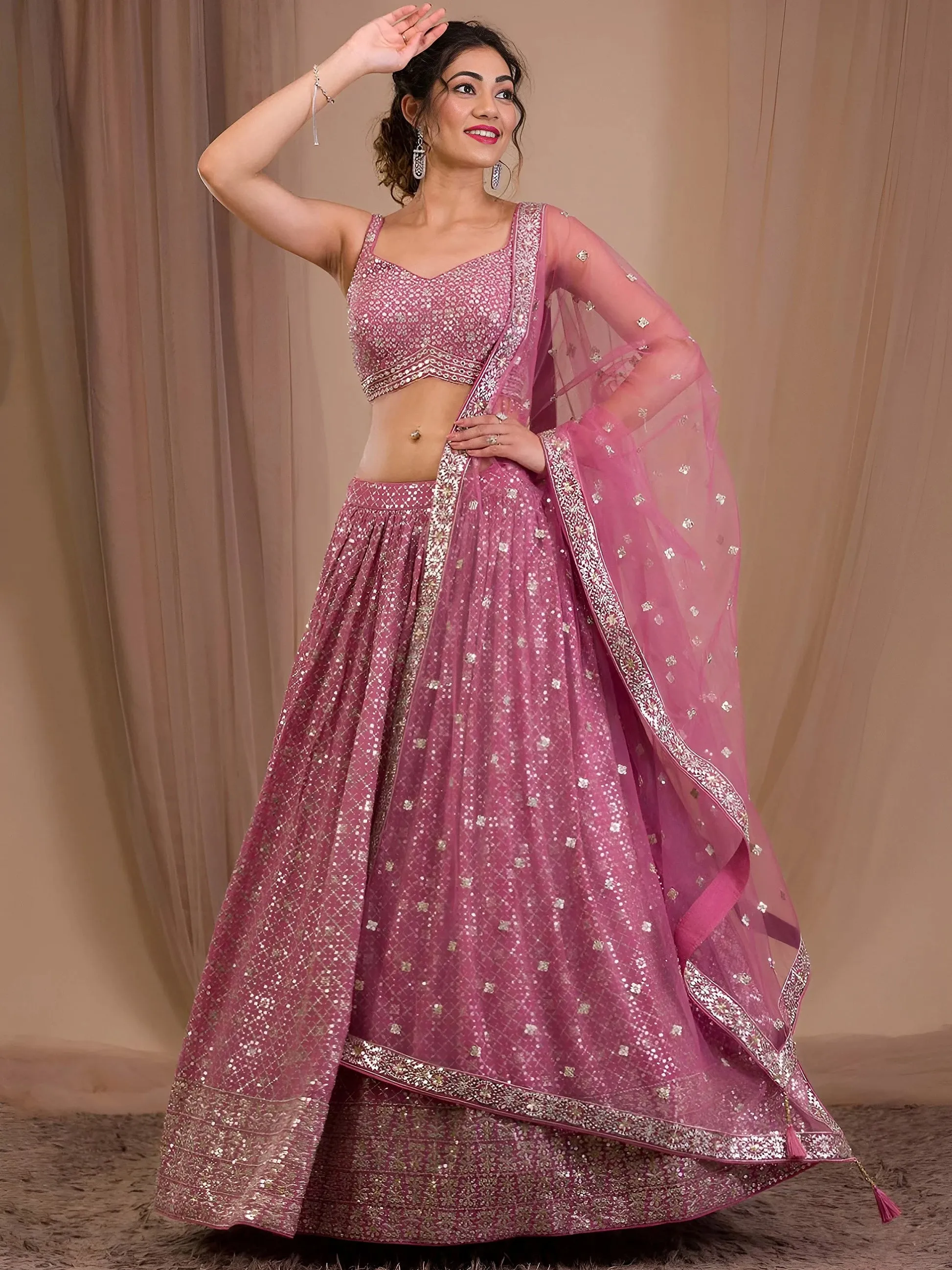
The blouse can completely alter the appearance of a lehenga, even when the skirt remains unchanged. A structured party wear choli can give the outfit a sharper contemporary character, while embroidered or traditionally cut designs can maintain a more classic appearance.
Necklines, sleeves, fabrics, and back detailing all influence the final result. A simpler skirt can benefit from a more interesting blouse, while an intricately decorated skirt may look better with a cleaner upper half. Creating this balance keeps the outfit visually interesting without making every element compete for attention.
Styling for Evening Gatherings
Evening parties often provide more freedom with accessories and finishing details. Statement earrings, metallic footwear, or a small embellished clutch can introduce a dressier element without requiring excessive changes to the outfit itself.
Hair and makeup can also shift the overall mood. A sleek hairstyle may complement a modern blouse, while softer waves can work nicely with traditional embroidery. The goal is not to follow a fixed formula but to choose details that support the outfit’s color, silhouette, and level of decoration.
Keeping the Outfit Comfortable
A beautiful lehenga still needs to be practical enough for a complete evening. Heavy skirts, restrictive blouses, or uncomfortable footwear can become distracting when the event involves standing, walking, and socializing for several hours.
Before wearing the outfit, check:
- Whether the waistband feels comfortable
- If the blouse allows natural movement
- Whether the skirt length works with the footwear
- If the dupatta can stay securely in place
These small checks can prevent unnecessary adjustments and allow the outfit to remain comfortable throughout the celebration.
Making the Lehenga More Versatile
A well-chosen lehenga does not have to disappear into the wardrobe after one event. Changing the blouse, jewelry, dupatta, or footwear can create a noticeably different appearance while keeping the main skirt unchanged. This makes versatile designs particularly useful for women who attend several celebrations each year.
Choosing balanced embroidery and a wearable color can also increase the number of occasions where the outfit feels appropriate. Instead of focusing only on dramatic wedding styling, a more adaptable design can become a dependable part of a festive wardrobe.
Conclusion
Party wear lehengas have become more versatile as occasion dressing continues to evolve. The right combination of silhouette, color, embellishment, and accessories can make one outfit suitable for several different celebrations without making it feel repetitive. By giving equal attention to comfort and styling, women can choose lehengas that look festive, feel practical, and remain useful well beyond a single wedding ceremony.

